Introduction to Jelly Edibles
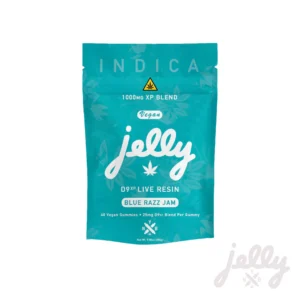
Jelly edibles are soft, chewable products designed for adult consumers in regions where infused goods are legally regulated. Moreover, their bright colors, appealing shapes, and convenient portioning make them one of the most recognizable formats in the adult edibles market. As a result, jelly edibles continue to stand out for their balance of flavor, texture, and consistency as the industry grows.
What Sets Jelly Edibles Apart
Unlike baked edibles or chocolates, jelly-based formulas offer a smooth, gummy-like texture that many consumers prefer. Additionally, the jelly consistency allows brands to create consistent servings, making them a reliable option for adult users who prioritize predictable experiences. Furthermore, their versatility allows for a wide range of flavors and shapes.
Typical Ingredients in Jelly Edibles
Most jelly edibles contain a base of sugar, corn syrup, pectin or gelatin, flavor extracts, and food coloring. In addition, adult-use versions include an active infused compound that is precisely measured and incorporated. Consequently, stabilizers and preservatives help maintain texture and freshness, ensuring each piece remains soft and flavorful over time.
Flavor Variety and Sensory Appeal
Flavor plays a major role in the popularity of jelly edibles. Brands create fruity options such as strawberry, watermelon, orange, pineapple, and tropical mixes. The soft chew and sweet flavoring deliver a candy-like experience that attracts adult consumers. Because of this candy-like nature, companies use clear packaging and labels to prevent confusion with regular candy.
How Jelly Edibles Are Produced
Manufacturers follow controlled heating and mixing steps to form consistent batches. They cook and blend the base mixture, then infuse it and pour it into molds. After the gummies cool, workers remove, coat, and package them. Teams monitor each stage closely to maintain potency accuracy and overall product quality.
Packaging and Labeling Requirements
Since jelly edible look similar to candy, companies prioritize proper packaging. Adult-market products come in child-resistant containers with ingredient lists, serving sizes, batch numbers, and legal warnings. These details help brands meet regulatory standards and encourage safe storage in adult homes.
Intended Market and Legal Framework
Jelly edible target adults in regions where infused consumables are legal. Laws require age verification, clear labeling, and educational information. These rules support responsible access and reduce the risk of accidental exposure to minors, reinforcing the need for compliant marketing and distribution practices.
Safety and Storage Considerations
Due to their appearance, jelly edible must be stored securely away from children and pets. Brands typically recommend keeping them in original packaging, in a cool and dry environment. Safety messaging also highlights the importance of controlled serving sizes and responsible handling to support consumer well-being.
Quality Assurance and Testing
Reputable manufacturers complete third-party testing to verify purity, consistent potency, and the absence of contaminants. Lab results help build consumer trust and are often accessible via QR codes or batch labels. Quality assurance ensures products meet regulatory standards and maintain safety across production cycles.
The Growing Role of Jelly Edibles in the Market
As adult-use edible markets continue expanding, jelly edible are becoming a core product category. Their combination of flavor, convenience, and consistency appeals to adult consumers looking for alternative options. Educating the public about ingredients, packaging, and regulations helps support safe, informed purchasing decisions and contributes to the credibility of the industry.