
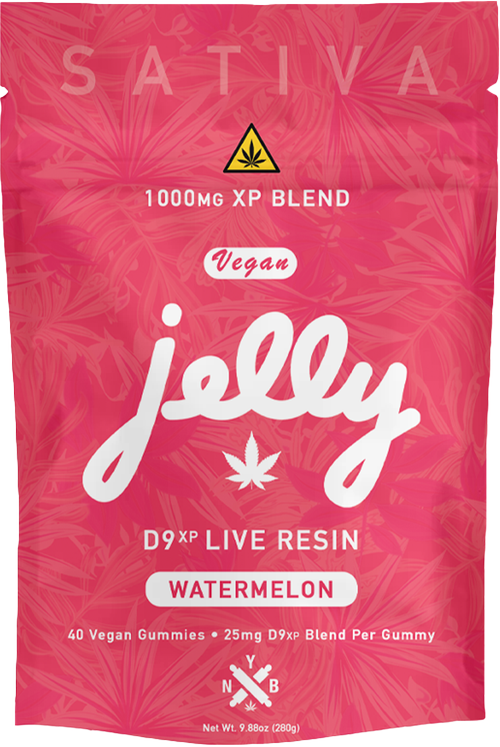
Jelly D9 XP
$39.99
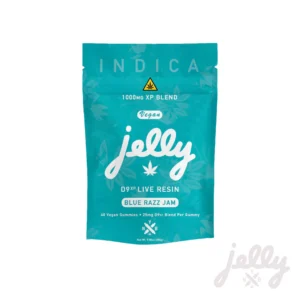
Jelly D9XP Gummies are NYB’s best-selling gummies, known for their bold potency and great flavor. Each gummy delivers 20 mg of Delta-9 THC and 5mg of CBD, with a total of 1,000 mg per bag. Sold in a 40-count, child-proof resealable pouch, D9XP offers a strong, consistent experience that’s become a favorite among seasoned edible enthusiasts.
6 Flavors Available:
Blue Razz Jam
Guava Melon
Mango Peach
Mystery Fruit
Passion Fruit
Watermelon
What Are Jelly Edibles?
Jelly edibles are chewy, candy-like products infused with active ingredients such as cannabinoids. They look similar to gummy candies but are manufactured for adult consumers in regions where such products are legal. Their packaging usually includes potency information and ingredient lists.
Understanding “D9”
“D9” typically refers to Delta-9-tetrahydrocannabinol, a psychoactive compound found in cannabis. Products containing Delta-9 are regulated and restricted to adults in many places. They can affect mood, perception, coordination, and thinking, which is why laws require age verification.
What “XP” Might Mean
Some brands use “XP” to suggest an “extra potency” or “experience,” but this is a marketing label rather than a scientific term. The meaning can vary by brand. Responsible companies clarify their contents, but it’s always important to check verified labeling and legal requirements.
How Edibles Are Usually Marketed
Edibles like jelly products are often marketed toward adult consumers looking for a discreet and flavored option. They come in fruit varieties and are packaged with dosage information to help adults use them responsibly. Marketing laws typically prevent targeting minors.
Ingredient Profiles
A typical jelly edible includes sugar, gelatin or pectin, flavorings, colorings, and an active compound such as Delta-9. Some brands add natural fruit extracts or vitamins for flavor, but these additions don’t change the fact that the product contains a controlled adult-only ingredient.
Effects Reported by Adults
Adults who use regulated Delta-9 products often describe effects such as relaxation, altered perception, or changes in mood. Reactions can vary widely. Because the compound affects the brain, regulations ensure that minors cannot buy or consume these products.
Safety Considerations
For teens, avoiding substances like Delta-9 is crucial for healthy brain development.
Legal Regulations
Different regions have different laws about Delta-9. In many places, it is illegal for anyone under 18 or 21 to purchase, possess, or use products containing it.
Why Education Matters
Understanding what these products are helps prevent accidental exposure, confusion with candy, or reliance on unsafe information online. Knowing the laws and health considerations is especially important for teens to make safe and informed choices.
Healthy Alternatives
People sometimes seek edibles for stress relief or relaxation. For teens, safer alternatives include hobbies, exercise, music, art, talking with trusted adults, or practicing mindfulness. These options support well-being without involving age-restricted or potentially harmful substances.
1 review for Jelly D9 XP
Add a review
Related products

Vapes & Concentrates
Edibles
Vapes & Concentrates
Edibles
Vapes & Concentrates
Edibles
Edibles
Suzanna –
I am not sure where you are getting your information, but
good topic. I needs to spend some time learning
much more or understanding more. Thanks for great information I was looking for
this information for my mission.Vedonlyöntibonukset https://veikkaajille.com/vedonlyontiopas/