
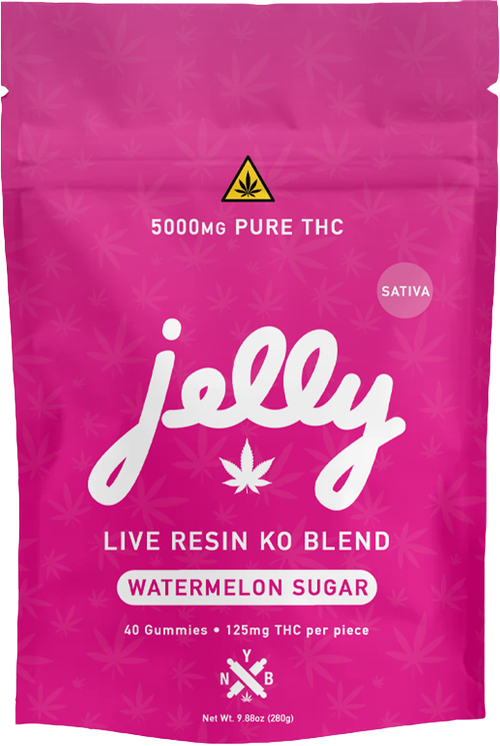
Jelly KO Blend
$39.99
Jelly KO Blend Gummies are potent, flavorful edibles that deliver 125 mg of cannabinoids per gummy, offering a powerful experience for seasoned users. Each resealable bag contains 40 gummies, totaling 5,000 mg per package. Designed for those seeking a high-strength option, these gummies combine taste with effectiveness, making them a popular choice for long-lasting relief or recreational use. Always start low and go slow, especially with high-potency products like this.
2 Flavors Available:
Watermelon Sugar
Sour Blue Razz
ntroduction to Jelly Edibles
Jelly edibles are soft, chewable products created with a gummy–like consistency and crafted for adult markets where infused foods are legally regulated. Their vibrant colors and convenient format have made them a notable category within adult-oriented consumable products. As their popularity grows, brands emphasize responsible packaging and clear information to distinguish them from regular candy.
Understanding the “Jelly KO Blend” Label
The term KO Blend is often used as a branding choice to suggest a strong or impactful formulation aimed at experienced adult consumers. While the specifics vary by manufacturer, the name generally signals a blend designed to deliver pronounced effects. Because of this, such blends usually feature clear warnings and dosage information as required by regulation.
Common Ingredients Used in Jelly Edibles
Typical jelly edibles include a mixture of sugar, pectin or gelatin, fruit flavorings, and natural or artificial colorings. In adult-use varieties, an active compound is infused and evenly mixed to maintain consistency. Stabilizers and preservatives may also be added to improve shelf life, ensuring the product maintains its texture and flavor.
Flavor Profiles and Sensory Appeal
Brands often experiment with fruit-forward flavors such as mango, strawberry, or citrus to create memorable sensory experiences. The soft chew and sweet taste make these products stand out compared to other adult consumables. Color variety and texture enhancements also contribute to visual appeal, which is an important factor in product marketing.
How Jelly Edibles Are Manufactured
Jelly edibles are made through a heating, blending, and molding process. Manufacturers typically heat the base mixture, incorporate the flavor and coloring, and then add the active compound toward the end to preserve its integrity. Once poured into molds, the jellies are cooled, set, and then coated or packaged. Consistency and quality checks ensure each piece meets labeling requirements.
Packaging and Regulatory Labels
Adult-market jelly edibles require compliant packaging such as tamper-evident seals and child-resistant designs. Labels often feature ingredient lists, nutritional facts, potency data, warnings, and batch numbers. This standardized information supports consumer safety and transparency, which are central themes in regulated markets.
Target Market and Intended Use Context
Products like the Jelly KO Blend are specifically intended for adults in regions where infused consumables are legally sold. Marketing typically targets individuals interested in exploring alternative adult-use products while stressing responsible consumption. These restrictions protect younger audiences and align with legal frameworks.
Safety Information in the Edibles Industry
The edibles industry emphasizes safe storage, clear serving sizes, and education about delayed onset times. Since jelly edibles resemble candy, manufacturers highlight the importance of keeping them out of reach of children and pets. Safety messaging is often legally required and reinforced across packaging and digital platforms.
Quality Control and Lab Testing
Reputable brands conduct third-party lab testing to verify purity, potency, and absence of contaminants. This testing ensures that the active compounds are distributed evenly within each batch and that the product meets regulatory standards. Test results may be accessible via QR codes or serial numbers on the packaging.
Why Informational Awareness Matters
As adult-use edibles continue to expand in the marketplace, informational awareness helps consumers understand labeling, safety practices, and product differences. Articles that break down components, branding terms, and regulations support responsible use and help prevent misunderstandings—important factors for an industry that prioritizes consumer protection.
Be the first to review “Jelly KO Blend”
Related products
Edibles
Edibles
Vapes & Concentrates
Edibles
Edibles
Edibles
Vapes & Concentrates
Edibles
Reviews
There are no reviews yet.