
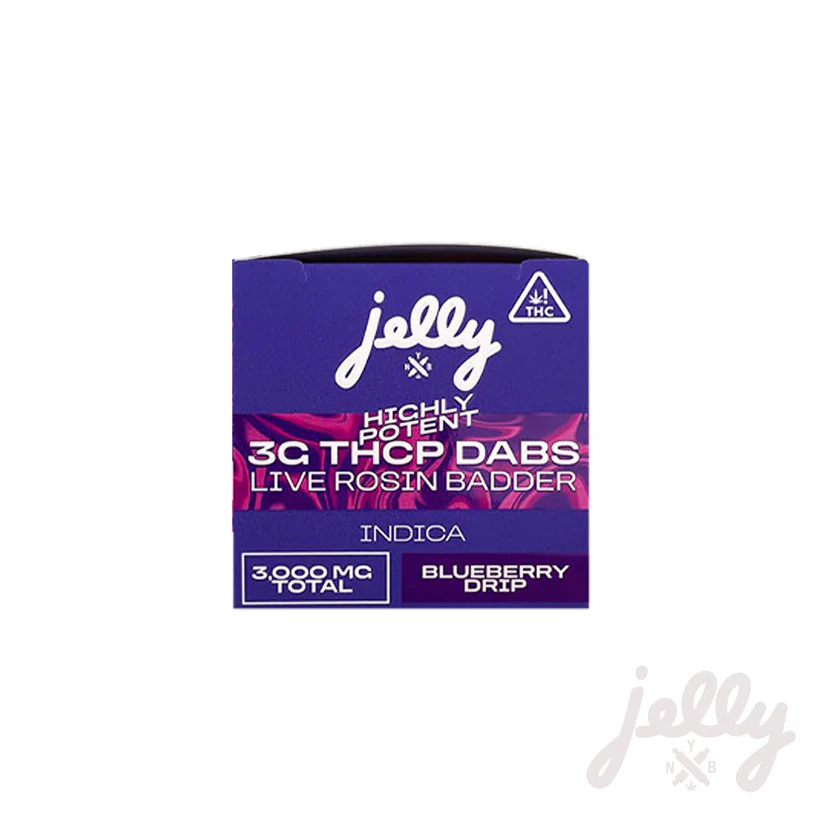
Jelly 3g THCP Live Rosin Badder
$44.99
Jelly
3g THCP Live Rosin Badder
3 FLAVORS AVAILABLE
Must be 21 years of age to use or purchase.
This product is derived from Industrial Hemp and Is in compliance with H.R.2: The Agriculture Improvement Act of 2018, Also known as the Farm Bill. This product contains a total Delta 9 THC concentration that does not exceed 0.3% on dry weight.
Introduction to Jelly Edibles
Jelly edibles are soft, chewy products known for their candy-like texture and vibrant appearance. They are designed for adult markets and often incorporate specialized blends or infused compounds. Products like the 3g THCP Live Rosin Badder combine these appealing textures with concentrated formulations to create a distinctive adult-oriented edible product.
Understanding THCP in Edibles
THCP, or tetrahydrocannabiphorol, is a naturally occurring cannabinoid found in certain cannabis strains. Formulations like the 3g Live Rosin Badder incorporate this cannabinoid in small, measured doses for consistency.
What Live Rosin Badder Refers To
“Live Rosin Badder” is a term used to describe a highly concentrated, soft-textured extract derived from freshly harvested plant material.
Ingredients Commonly Found in Jelly Edibles
Jelly edibles typically include sugar, gelatin or pectin, flavorings, colorants, and stabilizers.
Flavor and Texture Characteristics
Fruity, sweet, or tangy profiles are common, often designed to mask the natural taste of extracts.
Manufacturing and Processing
The production of these edibles involves blending the base ingredients with the extract, heating under controlled conditions, molding, and cooling. Precision is essential to maintain cannabinoid stability and uniform potency. The process ensures that each piece meets quality standards and that the texture and flavor remain appealing.
Packaging and Labeling Requirements
Compliance with legal regulations ensures consumer safety. Labels may also include batch numbers, testing results, and storage instructions for transparency and accountability.
Target Market and Legal Considerations
Legal frameworks prevent sale to minors and require strict adherence to labeling, dosage, and marketing rules. Educating consumers on proper handling and legal use is an important part of the industry.
Safety, Storage, and Handling
Due to their candy-like appearance, extra precautions are necessary to avoid accidental ingestion. Industry standards emphasize safe storage, accurate dosing, and responsible use within legal boundaries.
The Role of Quality Control
Reputable manufacturers test their products in certified labs to verify potency, purity, and safety. Testing ensures consistent dosing, checks for contaminants, and guarantees regulatory compliance. Quality control is critical for consumer confidence and supports the continued growth of the edible market.
| FLAVORS | BLUEBERRY DRIP, STRAWBERRY RUNTZ, WATERMELON HAZE |
|---|
Be the first to review “Jelly 3g THCP Live Rosin Badder”
Related products
Accessories
Edibles
Edibles
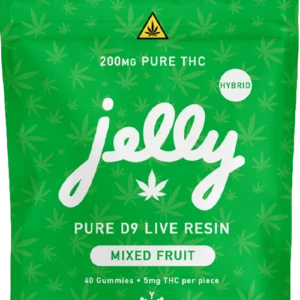
Edibles
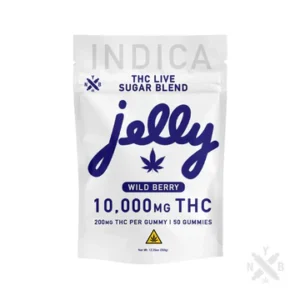
Edibles
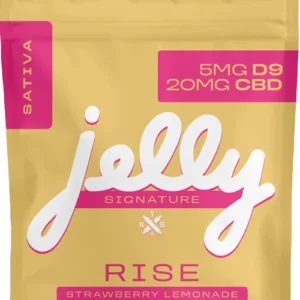
Edibles
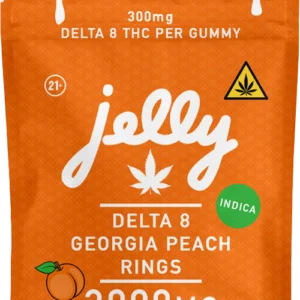
Edibles
Vapes & Concentrates
Reviews
There are no reviews yet.