-
×
 Jelly THC Live Sugar Blend - SUGAR MELON
1 × $39.99
Jelly THC Live Sugar Blend - SUGAR MELON
1 × $39.99 -
×
Jelly THC Live Sugar Blend - WILD BERRY
1 × $39.99
Subtotal: $79.98
 Jelly THC Live Sugar Blend - SUGAR MELON
1 × $39.99 Jelly THC Live Sugar Blend - WILD BERRY
1 × $39.99
Jelly THC Live Sugar Blend - SUGAR MELON
1 × $39.99 Jelly THC Live Sugar Blend - WILD BERRY
1 × $39.99 Subtotal: $79.98
$39.99
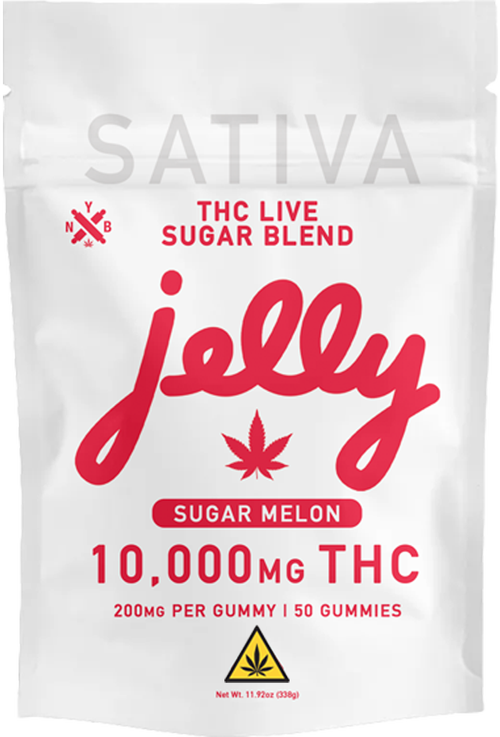
Jelly THC Live Sugar Blend Gummies pack a powerful punch with 200 mg of THC per gummy, combining intense potency with the rich, full-spectrum effects of live sugar extract. Each bag contains 50 gummies, totaling 10,000 mg, making it ideal for experienced users seeking strong, long-lasting effects. These gummies are designed to deliver a flavorful, elevated experience with enhanced cannabinoid and terpene profiles. Due to their strength, start slow and dose carefully.
3 Flavors Available:
Georgia Peach
Sugar Melon
Wild Berry
Jelly edibles are soft, chewy candies designed for adult markets where infused products are legally regulated. Their colorful appearance and sweet flavors make them visually appealing, but they are distinctly different from regular candy. Jelly edibles are part of a growing category of infused consumables that emphasize clear labeling and responsible consumption practices.
The term “THC Live Sugar Blend” generally refers to an edible infused with a concentrated compound derived from cannabis plants. “Live sugar” indicates the product may contain naturally occurring plant compounds preserved in crystalline form. Names like this are primarily marketing terms highlighting the intensity or uniqueness of the blend for adult consumers.
Typical ingredients include sugar, pectin or gelatin, natural and artificial flavors, colorings, and preservatives. In THC-infused varieties, the active compound is evenly integrated into the jelly mixture. The balance of sweetness, texture, and potency is carefully controlled to create a consistent product experience.
Jelly THC edibles are often available in fruit-forward or tropical flavors such as mango, strawberry, or citrus. Their chewy texture and vibrant colors make them appealing in adult markets, while the combination of flavor and texture is designed to create a memorable sensory experience.
The production of jelly edibles involves heating the base mixture, blending in flavors and colors, and incorporating the active compound toward the end to maintain potency. The mixture is then molded and cooled to set the jelly. Each step includes quality control measures to ensure even distribution of ingredients and consistent texture.
Adult-use jelly edibles require child-resistant and tamper-evident packaging. Labels typically display ingredients, potency, warnings, batch numbers, and sometimes lab testing QR codes. Proper labeling ensures consumer safety and regulatory compliance while distinguishing them from regular candy products.
Laws often mandate age verification before purchase. The clear labeling and dosage information help adult consumers make informed decisions while preventing accidental ingestion by minors.
The edibles industry emphasizes safety, including recommended serving sizes, storage away from children and pets, and awareness of delayed effects. Responsible use messaging is a critical part of marketing, especially because these candies closely resemble conventional sweets.
Reputable manufacturers conduct third-party lab testing to verify potency, purity, and the absence of contaminants. Batch-to-batch consistency is vital for safety and reliability.
Understanding jelly THC edibles helps consumers recognize labeling, ingredients, and safety practices. Informational content supports responsible adult use, raises awareness about regulatory compliance, and distinguishes infused products from regular candy. As the market grows, education continues to be a key factor in informed decision-making.
| FLAVORS | GEORGIA PEACH, SUGAR MELON, WILD BERRY |
|---|

Edibles
Vapes & Concentrates
Edibles

Edibles
Edibles

Edibles
Edibles

Reviews
There are no reviews yet.